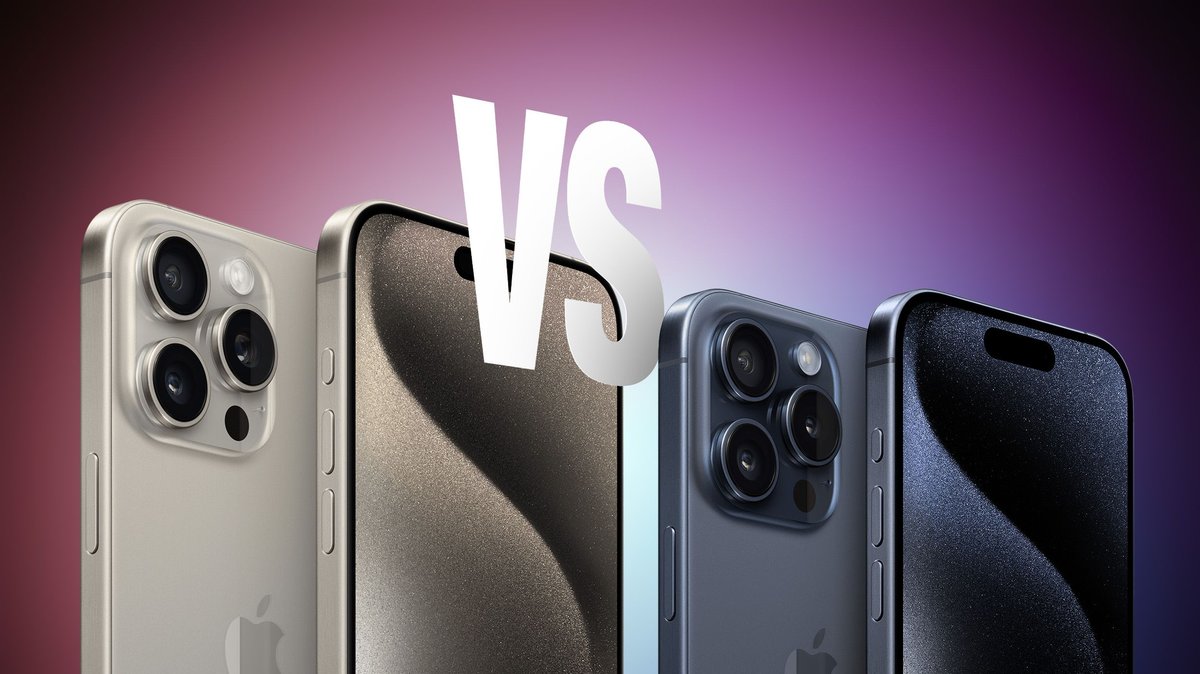
iPhone 16 vs. iPhone 15: Is It Worth Upgrading?
So, the new iPhone is here, and you're wondering if it's finally time to swap out your current device. It's a perennial question, isn't it? This year, the iPhone 16 vs. iPhone 15: Upgrade Comparison offers some genuinely interesting shifts, though perhaps not the seismic overhaul some might hope for. We're going to dive deep, cutting through the marketing speak to help you understand precisely what's new, what's stayed the same, and most importantly, whether this particular upgrade makes sense for your needs and wallet.
Forget chasing specs for a moment; let's talk about what these changes actually mean for how you use your phone, take photos, and interact with the world around you.
At a Glance: The Quick Takeaway
If you're in a hurry, here’s the gist of the iPhone 16’s key changes compared to the iPhone 15:
- Design & Controls: A fresh look with new colors, a vertical camera layout (for Spatial Video), the customizable Action Button replacing the mute switch, and a brand-new Camera Control button.
- Processing Power: A more advanced A18 chip (3nm) and an increase to 8GB of RAM mean snappier performance and better efficiency.
- The AI Factor: Exclusive support for Apple Intelligence – a major leap in on-device and cloud-based smart features (though it’s rolling out slowly).
- Camera Boosts: The ultra-wide lens gets a wider aperture for better low-light shots, and macro photography finally arrives on a base iPhone.
- Battery Life: A modest but welcome bump in battery capacity and slightly longer video playback.
- Faster Wireless Charging: MagSafe gets a speed boost to 25W and supports the new Qi2 standard.
- Still Missing: Don't expect a 120Hz ProMotion display; that's still reserved for the Pro models (and likely the iPhone 17).
- Overall: It's a solid, iterative upgrade, but not a "must-have" for everyone, especially if you just got an iPhone 15. The AI capabilities are the biggest differentiator.
The Design & Feel: A Subtle Shift You'll Notice
Apple is known for its meticulous design, and the iPhone 16 introduces several refinements that subtly enhance both aesthetics and usability. While it retains the familiar flat-edged design, a few key changes set it apart from the iPhone 15.
First up, the aesthetics. The iPhone 16 arrives with a fresh palette of more vibrant color options. Apple consistently introduces new hues, and this generation is no exception, often drawing in users who want their device to reflect a personal style. More significantly, the camera module on the back has seen a redesign. The iPhone 16 now sports a vertical camera layout, a departure from the diagonal arrangement of the iPhone 15. This isn't just for looks; it enables the phone to capture Spatial Video, a feature first introduced on the iPhone 15 Pro models and crucial for immersive viewing on devices like the Apple Vision Pro. If you're keen on future-proofing your video content, this is a noteworthy addition.
Beyond the visuals, tactile interactions are changing. The venerable Mute Switch, a staple of iPhones for years, has been replaced by the Action Button. First seen on the iPhone 15 Pro, this customizable button can be programmed to do a variety of things: quick access to the camera, flashlight, voice memo, Focus modes, Translate, or even accessibility features. It’s a small change that offers a surprising amount of convenience, allowing you to trigger common actions without unlocking your phone or navigating menus.
But wait, there’s another new button! The iPhone 16 introduces a dedicated capacitive Camera Control button. Located on the side, this button is designed to streamline your photography experience. A half-press can launch the camera and focus, while a full press captures the image. It even allows for intuitive gestures, functioning as a trackpad for zooming in/out or adjusting background blur in Portrait mode. This is a genuinely practical addition for anyone who uses their iPhone as their primary camera, offering a more DSLR-like handling experience.
In terms of physical dimensions, the iPhone 16 is ever so slightly lighter at 170g compared to the iPhone 15's 171g. While this difference is negligible in hand, it speaks to Apple's continuous pursuit of optimization. Both phones maintain the same robust IP68 water and dust resistance, so they're equally ready to shrug off spills and splashes.
The display remains largely consistent on paper: a 6.1-inch OLED panel with a 60Hz refresh rate. While maximum brightness levels are similar, the iPhone 16 does achieve a lower minimum brightness of 1 nit. This might sound minor, but for those who use their phone in very dark environments (think late-night reading), it can make a noticeable difference in reducing eye strain. However, the lack of a 120Hz ProMotion display, which offers smoother scrolling and more fluid animations, continues to be a point of contention for many users. It’s a feature still reserved for the Pro models and is rumored to finally make its way to the vanilla iPhone with the iPhone 17.
Under the Hood: Powering Your Experience
The performance leap is often the least visible but most impactful upgrade, and the iPhone 16 delivers here with a significant internal overhaul. At its core, the iPhone 16 is powered by the new Apple A18 chip, fabricated using a cutting-edge 3nm process. This is a substantial upgrade from the iPhone 15’s A16 Bionic chip, which uses a 5nm process.
What does "3nm vs. 5nm" actually mean for you? In simple terms, a smaller nanometer (nm) process allows more transistors to be packed into the same space. This translates directly to better performance, higher energy efficiency, and a cooler-running chip. You’ll experience snappier app launches, smoother multitasking, more fluid graphics in demanding games, and potentially longer battery life even under heavy loads.
Complementing the A18 chip is an increase in RAM. The iPhone 16 now boasts 8GB of RAM, up from the 6GB found in the iPhone 15. More RAM means your phone can keep more apps, browser tabs, and background processes active without having to constantly reload them. This significantly improves the overall fluidity of the user experience, making switching between tasks feel seamless and instantaneous.
While the iPhone 15 with its A16 Bionic is still a remarkably fast and capable phone, the A18 chip in the iPhone 16 future-proofs the device to a greater extent. As apps become more complex and operating systems introduce more advanced features (especially AI-driven ones), the extra horsepower and RAM will ensure the iPhone 16 maintains peak performance for years to come. For power users, gamers, or those who simply demand the absolute best in responsiveness, this internal upgrade is a compelling reason to consider the 16.
Unlocking Intelligence: Apple's AI Leap (and the Catch)
Here's where the iPhone 16 truly distinguishes itself as more than just an incremental hardware update: it's the gateway to Apple Intelligence. This is Apple's ambitious new suite of personal AI features, and crucially, it's a capability that the iPhone 15 does not offer.
Apple Intelligence is designed to seamlessly integrate generative AI into your everyday iPhone experience, making your device smarter and more helpful across various applications. Imagine:
- Siri's Evolution: With ChatGPT integration, Siri becomes far more capable, understanding context, answering complex questions, and even taking action across multiple apps in a way it never could before. It will anticipate your needs and offer proactive suggestions based on your personal data (all processed privately and securely).
- Visual Intelligence: Features like "Image Playground" allow you to generate unique images and artwork from text prompts. "Image Wand" can instantly turn a rough sketch into a polished illustration. "Genmoji" lets you create custom emoji characters that perfectly express your mood or match a conversation's tone.
- Text & Writing Tools: Across apps like Mail, Pages, and Notes, Apple Intelligence can help you summarize long articles, proofread your writing, rewrite sentences for a different tone, or even draft emails from scratch based on a few keywords.
- App Integration: Visual Intelligence can identify objects in photos, understand the content of emails, and pull relevant information from your apps to provide a more contextual and personalized experience.
The catch? This isn't a "download and go" feature. Apple Intelligence is rolling out gradually. While initial features arrive with iOS 18.2, further Siri enhancements are expected with iOS 18.3 and iOS 18.4 in early 2025. This slow rollout means that while the iPhone 16 has the capability, you won't experience the full breadth of Apple Intelligence features on day one.
For many, the exclusive access to Apple Intelligence on the iPhone 16 is the single most compelling reason to upgrade. It represents a paradigm shift in how we interact with our devices, moving towards a more proactive and intuitively helpful smartphone experience. If you're an early adopter of new technology and excited by the promise of deeply integrated AI, this is a significant differentiator that the iPhone 15 simply can't match. However, if you're patient and prefer to wait until AI features are fully mature and deployed, this might not be an immediate upgrade trigger.
Capturing Memories: Camera Upgrades for the Enthusiast
The iPhone has long been a go-to device for mobile photography, and the iPhone 16 brings some welcome refinements to its camera system. While the core specifications—a 48MP main camera, 12MP ultra-wide, and 12MP front camera—remain consistent with the iPhone 15, it's the subtle improvements that make a difference.
The most notable upgrade comes to the ultra-wide lens. On the iPhone 16, it features a slightly faster f/2.2 aperture, compared to the f/2.4 on the iPhone 15. What does this mean in practical terms? A wider aperture allows more light to hit the sensor, which translates to better performance in low-light conditions. You'll get brighter, clearer, and less noisy ultra-wide shots, making it more versatile for landscapes, group photos, or capturing architectural details when the light isn't perfect.
But the real showstopper for the base iPhone model is the addition of macro photography support. For the first time, you can get incredibly close to your subjects and capture stunning detail with the iPhone 16 without needing a "Pro" model. Imagine capturing the intricate patterns of a flower petal, the texture of fabric, or the tiny details on an insect with surprising clarity. This feature alone opens up a whole new world of creative photography for standard iPhone users.
Beyond still photos, the redesign of the camera module to a vertical layout on the iPhone 16 directly enables Spatial Video capture. If you own an Apple Vision Pro or plan to in the future, being able to record immersive 3D videos with your standard iPhone is a significant advantage. These videos offer a captivating way to relive memories, adding a new dimension to your personal archive.
The combination of improved low-light performance for the ultra-wide, the exciting introduction of macro photography, and Spatial Video support makes the iPhone 16 a more capable photographic tool than its predecessor. If you frequently use your iPhone for taking photos and videos and appreciate these enhancements, the camera system provides a strong argument for upgrading.
Battery & Charging: Staying Powered Longer, Faster
Nobody wants their phone to die halfway through the day, and the iPhone 16 brings improvements to keep you charged up and on the go. While not revolutionary, these are solid, practical upgrades that enhance the daily user experience.
The iPhone 16 comes equipped with a larger 3,561mAh battery, a noticeable bump from the iPhone 15's 3,349mAh capacity. This translates directly to improved endurance. Apple officially rates the iPhone 16 for up to 22 hours of video playback, an increase from the 20 hours offered by the iPhone 15. In real-world usage, this means you can expect to eke out a bit more screen-on time, giving you greater confidence that your phone will last through a busy day without needing a top-up. For many, even an extra hour or two of battery life can make a big difference.
Charging speeds are also seeing an upgrade, particularly on the wireless front. MagSafe wireless charging on the iPhone 16 is now faster, capable of delivering up to 25W of power, compared to the 15W of the iPhone 15. This means your phone will reach a full charge significantly quicker when using a compatible MagSafe charger. Furthermore, the iPhone 16 supports the new Qi2 standard, which essentially brings the magnetic alignment and charging efficiency of MagSafe to a broader ecosystem of third-party wireless chargers. This is great news for those who prefer wireless convenience and want more options beyond Apple's branded accessories.
When it comes to wired charging, both models still support 20W wired charging, which can get you to about 50% in roughly 30 minutes. Both also feature a USB-C port, a welcome change from the Lightning connector of previous generations, but it’s important to note that it operates at USB 2 speeds. While this is fine for charging, it means data transfer when connecting to a computer will be relatively slow compared to the USB 3 speeds found on the Pro models.
Overall, the battery and charging enhancements on the iPhone 16 are about incremental improvements that add up to a more convenient and less anxiety-inducing experience. You get a little more power and charge a little faster wirelessly – practical benefits for everyday use.
The Elephant in the Room: Still No ProMotion?
Perhaps the most consistent critique leveled at the standard iPhone models, year after year, is the absence of a 120Hz ProMotion display. The iPhone 16, despite its other advancements, regrettably continues this trend. Both the iPhone 16 and iPhone 15 feature a standard 6.1-inch OLED display with a fixed 60Hz refresh rate.
For those unfamiliar, a 120Hz ProMotion display refreshes its screen twice as often as a 60Hz display. The practical benefit is immediately noticeable: scrolling through web pages, navigating menus, swiping between apps, and playing supported games all feel incredibly smoother, more fluid, and more responsive. Once you've experienced ProMotion, going back to 60Hz can feel distinctly choppy or "laggy."
This feature has been standard on Apple's Pro models since the iPhone 13 Pro and is commonplace on many Android flagships (and even some mid-range phones) that cost significantly less than the iPhone 16. Its omission on the vanilla iPhone 16 is a clear strategic decision by Apple to differentiate its Pro line.
For users upgrading from an older iPhone (say, an iPhone 12 or earlier), the 60Hz display won't feel like a downgrade. However, if you're moving from a Pro model iPhone, an iPad Pro, or any Android phone with a high refresh rate display, you will notice the difference. This specific limitation is a strong reason for some to consider waiting for future iterations or biting the bullet and opting for a Pro model iPhone if a butter-smooth visual experience is a top priority. Analysts widely expect the 120Hz ProMotion display to finally arrive on the vanilla iPhone 17, making the current iPhone 16 an in-between option for those who prioritize other features.
The Cost of Convenience: Pricing and Value
When considering any upgrade, the bottom line often dictates the final decision. Both the iPhone 16 and the iPhone 15 maintain a starting price of $800 for the base 128GB storage configuration. This consistent pricing makes the comparison straightforward purely from a sticker price perspective – you’re paying the same amount for the newer model.
However, the "value" of that $800 is where the iPhone 16 aims to justify its existence. For the same price, you're getting:
- A more powerful and efficient A18 chip.
- More RAM (8GB vs. 6GB).
- Exclusive access to Apple Intelligence.
- Enhanced camera features (macro, improved ultra-wide, Spatial Video).
- Better battery life and faster wireless charging.
- The versatility of the Action Button and the dedicated Camera Control button.
On the other hand, the iPhone 15, while still a highly capable phone, will likely see price reductions at retailers or through carrier deals, making it a more attractive option for those on a tighter budget. Its excellent camera, powerful A16 Bionic chip, and overall premium experience still make it a fantastic device.
When evaluating the cost, consider these points: - Trade-in Value: If you're trading in an older iPhone, calculate how much that reduces the effective cost of the iPhone 16. The newer model generally retains its value better over time.
- Carrier Deals: Keep an eye out for promotions. Carriers often offer significant discounts or trade-in bonuses that can make the upgrade more palatable.
- Long-Term Investment: While the slow rollout of Apple Intelligence might temper immediate excitement, its exclusivity to the iPhone 16 means you're buying into Apple's AI future. This could provide more utility and extended software support over the long run compared to the iPhone 15.
Ultimately, at the same base price, the iPhone 16 offers a suite of upgrades that, while not individually groundbreaking (apart from Apple Intelligence), collectively provide a more advanced and future-proof experience. The value proposition leans towards the iPhone 16 if you can afford it and appreciate the new features.
Making the Call: Who Should Upgrade (and Who Should Wait)?
The question of whether to upgrade from an iPhone 15 to an iPhone 16 isn't a simple yes or no. It really boils down to what you prioritize in your smartphone experience and how old your current device is.
You Should Seriously Consider Upgrading to the iPhone 16 If:
- You're Coming from an Older iPhone (iPhone 13 or Earlier): If you're holding onto an iPhone 13, 12, or even older, the iPhone 16 will feel like a substantial leap. You'll gain a significantly faster processor, a much better camera system (including macro and Spatial Video), a brighter OLED display, USB-C, the Action Button, and the gateway to Apple Intelligence. This is where the upgrade impact is most pronounced.
- You're an Apple Intelligence Enthusiast: This is perhaps the biggest differentiator. If the promise of deeply integrated, personal AI — from smarter Siri to Genmoji and enhanced writing tools — excites you, and you want to be on the cutting edge of Apple's software future, the iPhone 16 is your only entry point. Even with a slow rollout, the underlying hardware to support it is exclusive.
- You Prioritize Camera Features: The addition of macro photography to the base iPhone, coupled with an improved ultra-wide lens and Spatial Video capture, makes the iPhone 16 a more versatile photographic tool. If you love taking photos and want these specific enhancements, the 16 delivers.
- You Appreciate Quality-of-Life Improvements: The Action Button, dedicated Camera Control button, slightly better battery life, and faster MagSafe charging collectively add up to a smoother, more convenient daily experience. These are not flashy, but they make the phone more pleasant to use.
- You Value Future-Proofing: With the A18 chip and 8GB of RAM, the iPhone 16 is better equipped to handle future iOS updates and demanding applications for longer than the iPhone 15.
You Should Probably Wait (or Stick with Your iPhone 15) If: - You Just Got an iPhone 15: If you upgraded to the iPhone 15 recently, there’s likely no compelling reason to jump ship. Your phone is still incredibly fast, has an excellent camera, and boasts modern features like USB-C and the Dynamic Island. The improvements in the 16, while nice, are incremental enough that you won't feel like you're missing out significantly, especially given the slow rollout of Apple Intelligence.
- You Value a 120Hz ProMotion Display: If smooth scrolling and animations are a must-have for you, neither the iPhone 15 nor the iPhone 16 offers it. You'll need to consider an iPhone Pro model or wait for the rumored iPhone 17, which is expected to finally bring ProMotion to the standard line.
- You're Not Swayed by Early AI: If the initial rollout of Apple Intelligence doesn't excite you, or you prefer to wait until AI features are more mature and widely available, then the iPhone 16's primary selling point might not resonate with you right now.
- Your Budget is Tight: While the iPhone 16 costs the same as the iPhone 15 did at launch, you can likely find better deals on the iPhone 15 as it gets older, making it a more economical choice if you're not chasing the latest features.
Ultimately, the iPhone 16 is a solid, iterative upgrade that lays the groundwork for Apple's AI-powered future. Its enhancements are meaningful, particularly the A18 chip, increased RAM, and exclusive Apple Intelligence support. However, it’s not a "huge upgrade" in every aspect, especially if you’re coming from an iPhone 15. To truly decide if iPhone 16 is worth it, weigh these factors against your current device and your specific needs.
Beyond the Specs: A Human Perspective
In the grand scheme of smartphone evolution, the iPhone 16 represents another thoughtful step forward rather than a giant leap. Apple's strategy often involves refining existing technologies while selectively introducing one or two tentpole features to drive upgrades. This year, Apple Intelligence is undoubtedly that tentpole, signaling a new direction for the company and its ecosystem.
The core message remains consistent: if you’re using a device that’s three or more generations old, the iPhone 16 will feel like a revelation in terms of speed, camera capabilities, and overall user experience. The collective enhancements – from the snappier processor to the refined design and new buttons – will make daily interactions genuinely more pleasant.
However, for those with a relatively recent iPhone 15, the decision becomes more nuanced. You're trading a perfectly capable, modern phone for a series of subtle improvements and the promise of a future AI experience that isn't fully realized yet. It's akin to buying a car with cutting-edge autonomous driving features that are still in beta. The potential is there, but the immediate gratification might be limited.
Consider your personal relationship with technology. Are you someone who thrives on having the absolute latest, eager to experiment with new AI capabilities as they roll out? Or are you more pragmatic, preferring to wait for features to mature and for a more significant hardware refresh (like a 120Hz display)?
The iPhone 16 is a device that aims to set the stage for the next era of personal computing with Apple Intelligence. For some, that future-proofing alone will be worth the investment. For others, patience may yield an even more impactful upgrade down the line.