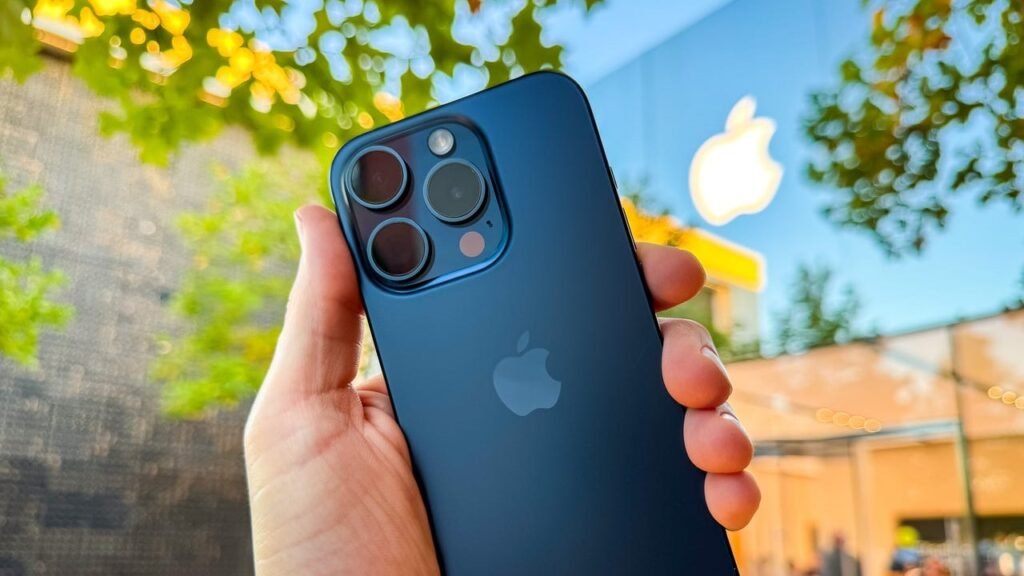
Apple's latest entry, the iPhone 16, is on the horizon, ready to make its mark and spark the inevitable question: Is it truly worth your hard-earned cash, especially if you're holding onto an older model or weighing your options against competitors? Priced at an accessible $799, matching its predecessor, the iPhone 16 aims to deliver a compelling blend of power, new features, and the seamless Apple experience. But beneath the familiar facade, what truly sets it apart, and who stands to benefit most?
We’ve delved deep into the specs, the promises, and the hidden caveats to help you make an informed decision. Get ready to explore whether this year’s standard iPhone is the upgrade you've been waiting for.
The A18 Chip: A New Era of Performance & Intelligence
At the heart of the iPhone 16 lies its most significant leap: the brand-new A18 silicon. This isn't just a minor bump; it's two generations ahead of the A16 Bionic found in the iPhone 15, bringing a substantial 30% faster CPU and a 40% faster GPU. For everyday tasks, gaming, and demanding applications, this translates to snappier responses and smoother experiences across the board. The performance gap between the standard and Pro models has notably narrowed, offering flagship-level speed at a more approachable price point.
Perhaps even more critically, the A18's more powerful neural engine is designed specifically to handle Apple Intelligence features right on your device. Imagine enhanced Siri interactions, smarter writing tools, and instant content summaries, all processed with remarkable speed and privacy. While these features won't be active immediately upon release and will initially launch in beta this October, the iPhone 16 offers a more affordable entry into Apple's AI-driven future than its Pro siblings. To truly grasp the advancements and potential, delve deeper into the raw numbers and technical prowess with our guide on Performance & Hardware Benchmarks.
New Interaction Points: Action Button & Camera Control
Apple is refining how we interact with our iPhones, and the iPhone 16 brings two exciting new buttons to the table. First up is the Action button, a feature previously exclusive to the iPhone 15 Pro models. This customizable button lets you assign shortcuts for quick access to your camera, flashlight, voice memos, Focus modes, Translate, or accessibility features, adding a layer of personal convenience.
Joining it is an entirely new Camera Control button, now standard across all iPhone 16 models. This tactile addition streamlines your photography experience, allowing you to launch the Camera app with a single press, snap photos with another click, or capture video by pressing and holding. It even enables intuitive swiping gestures to adjust zoom or photographic styles on the fly, transforming how you capture moments. For a comprehensive look at how these innovations reshape your daily use, check out Key New Features & Design.
Elevated Photography: Sharper Ultrawide & Vertical Lenses
The iPhone 16 isn't just about speed; it's also about sharper memories. The 12MP ultrawide camera sees a significant improvement, featuring a larger sensor that collects 2.6 times more light. This means sharper images, especially in challenging low-light conditions. What's more, the addition of autofocus to the ultrawide lens unlocks the ability to take stunning macro shots, bringing tiny details into sharp focus.
Visually, the device adopts a new vertical camera lens setup, a subtle design change that enhances its aesthetic while potentially making space for future advancements. These camera enhancements, combined with the power of the A18 chip, promise a more versatile and capable photographic experience. Explore advanced camera analysis. Dive into Explore advanced camera analysis. Dive into to see how the iPhone 16 stacks up against its predecessors and rivals.
Durable Design, Vibrant Hues & Longer Battery Life
Beyond the internal power, the iPhone 16 maintains Apple's commitment to durability and refined aesthetics. It features a robust aluminum frame, a color-infused glass back, and the industry-leading Ceramic Shield glass on the front, which is twice as durable as other smartphone glass. With an IP68 rating, it's also water and dust resistant, capable of withstanding submersion up to 5 feet deep for 30 minutes.
This year, Apple is introducing a range of new, more vibrant color options, including pink, teal, and ultramarine, alongside classic white and black, allowing for more personal expression. And for those who need their phone to last all day, the iPhone 16 comes with a larger 3561 mAh battery, promising an additional 2 hours of video playback and a whopping 80 hours of audio playback. This tangible boost in endurance means more time enjoying your device and less time tethered to a charger.
The Unchanged Elements: Display & AI Readiness
While the iPhone 16 brings substantial upgrades, some aspects remain consistent with its predecessor, which might be a deciding factor for some users. The display, for instance, retains a 60Hz refresh rate. In an era where many competitors, even mid-range phones like the Pixel 8a (under $500) and other flagship Android devices, offer smoother 120Hz displays, this 60Hz rate can feel like a missed opportunity for those seeking the ultimate fluid scrolling experience.
Similarly, the screen's peak brightness remains at 2,000 nits, matching the iPhone 15. While still excellent, rivals like the Pixel 9 (with peaks up to 2700 nits) and Samsung Galaxy S24 have made advancements in this area, offering slightly brighter outdoor visibility. Additionally, while Apple Intelligence is a major draw, its "work in progress" status means you won't get immediate access to fully polished features upon the iPhone 16's September release. These are slated to arrive in October and will begin in a beta phase, so tempering expectations for day-one AI magic is advisable.
Weighing the Upgrade: Is It Worth Your Investment?
So, who is the iPhone 16 truly for? With its significantly upgraded A18 chipset and improved camera setup, it stands as a strong contender for users upgrading from older iPhones (iPhone 13 or earlier, for example). The leap in performance and the new Action and Camera Control buttons alone could justify the investment. If you're eager to embrace Apple Intelligence without splurging on a Pro model, this is your most affordable entry point.
However, if you prioritize a high refresh rate display, requiring that buttery-smooth 120Hz scrolling, or if you need immediate, fully polished AI features, then the iPhone 16 might leave you wanting more. In that case, exploring the Pro models (which offer advanced camera systems for $200 more) or even considering competitor devices might be a better path. For a detailed breakdown of costs and available variants, consult our guide on Pricing, Model Variations & Value.
Ultimately, the decision to upgrade depends on your current device and your priorities. Should you upgrade your iPhone Should you upgrade your iPhone from an iPhone 15? The internal upgrades are compelling, but the lack of major external design changes or display improvements might make some iPhone 15 users hold out for the iPhone 17. For everyone else, especially those on older models, the iPhone 16 offers a powerful, intelligent, and refined smartphone experience that sets a new standard for Apple's entry-level flagship.
The Path Ahead
The iPhone 16 represents a crucial step in Apple's strategy, democratizing advanced performance and AI capabilities while maintaining a competitive price point. As Apple Intelligence evolves out of its beta phase and more developers harness the A18 chip's power, the true long-term value of the iPhone 16 will become even clearer. It's not just a phone for today, but a robust platform for the intelligent experiences of tomorrow.