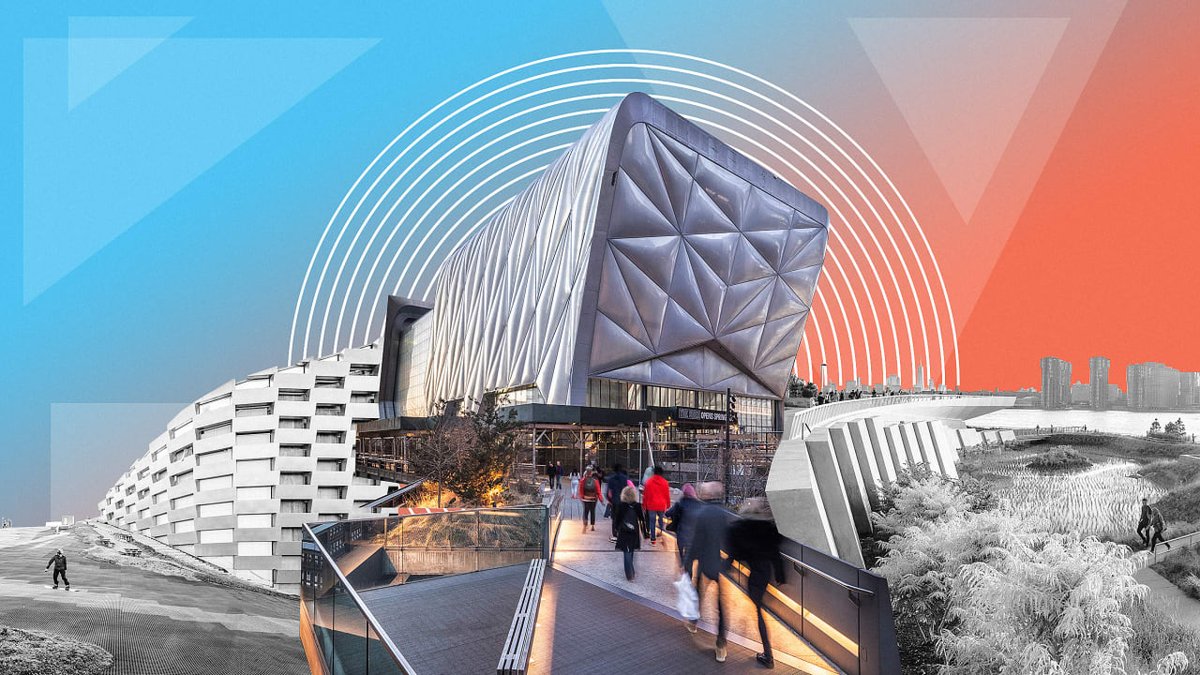
The world of design is in constant motion, a vibrant ecosystem where groundbreaking ideas continually reshape our physical and digital realities. From the touch of a smartphone interface to the sweeping curves of a building, Key New Features & Design Innovations are not just about aesthetics; they're about enhancing how we live, work, and interact with the world around us. These innovations push boundaries, solve problems, and often, provoke thought, making them essential knowledge for anyone looking to understand where we're headed.
At a Glance: What's Driving Design Forward
- Human-Centered Everything: Design is increasingly focused on understanding and solving real human problems with empathy and inclusivity.
- Tech Takes Center Stage: AI, IoT, and extended reality (XR) aren't just tools; they're becoming integral parts of the product and design experience, enabling personalization and smart functionality.
- Sustainability as a Core Principle: Designers are actively seeking harmony with nature through biomimicry, circular economics, and regenerative approaches.
- Aesthetic Revolutions: From maximalist explosions of color to nostalgic revivals and futuristic architectural forms, visual trends are diverse and often deeply meaningful.
- The AI-Powered Creative Partner: Artificial intelligence is transforming design workflows, freeing up creatives for higher-level thinking while offering powerful tools for ideation and iteration.
- Ethical Oversight is Paramount: With great power comes great responsibility; the ethical implications of advanced design and technology are a growing area of focus.
The Foundation: Why Innovation Matters in Design
Innovation in design isn't a luxury; it's a necessity. It’s the engine that drives progress, delivering unique value to users that goes far beyond mere aesthetics or basic function. Think of it as a multidisciplinary dance, combining engineering, marketing, and user research into an iterative process of generating, prototyping, testing, and refining ideas. The goal? To meet unmet user needs, make a significant market impact, and ultimately, bolster a company's brand and profitability. This constant evolution ensures our tools, spaces, and experiences remain relevant and compelling.
Human-First at the Core: Evolving Design Philosophy
At its heart, contemporary design innovation is deeply human-centered. This philosophy, popularized by powerhouses like IDEO, champions empathy, experimentation, and iterative development. It's about truly understanding users' needs and pain points, then crafting solutions that seamlessly integrate into their lives. This approach is why products like the iPhone, decades ago, redefined what a user experience could be, setting a benchmark for intuitive interaction.
Today, this human-first principle extends to universal product design, a commitment to creating inclusive and equitable products that address the needs of a diverse global population. It's about ensuring accessibility and usability for everyone, from different physical abilities to varying cultural contexts, fostering a sense of belonging and utility for all.
The Digital Renaissance: Where Tech Meets Creativity
Our digital lives are increasingly sophisticated, driven by designers who skillfully weave cutting-edge technology into every interface and interaction. This era isn't just about making things look good; it's about making them smarter, more responsive, and deeply intuitive.
Smart Technology Integration: Beyond the Screen
Imagine a world where your devices anticipate your needs. That's the promise of Smart Technology Integration, which embeds IoT, AI, and Machine/3D Deep Learning into products. From smart home devices that learn your routines to wearable technology tracking your health, these innovations create intuitive and personalized experiences. AI-driven healthcare products, for instance, are revolutionizing patient care by offering tailored solutions and insights.
Algorithmic Design: AI as a Creative Collaborator
AI isn't just for data analysis anymore; it's revolutionizing design workflows. Algorithmic Design tools can rapidly generate everything from intricate color palettes and complex pattern designs to efficient spatial layouts. While concerns about privacy and job disruption are valid, Adobe Stock VP Rogerio Jasinski insists that AI should enhance, not replace, human creativity, fostering powerful human-machine collaboration. It's about leveraging AI to explore possibilities at speeds impossible for a human designer alone.
Metaverse & Extended Reality: Crafting New Worlds
The boundaries between physical and digital are blurring, giving rise to Metaverse Design. This involves crafting entire virtual worlds within platforms like Roblox, Fortnite, and VR Chat, which now boast thriving economies. Justin Aitken of VR Vision highlights the "enormous creative potential" for shaping entirely new realities and human experiences within these immersive environments. These spaces demand fresh thinking about interaction, aesthetics, and social dynamics.
Cyborgian Design: Augmenting Human Potential
Straight out of science fiction, Cyborgian Design integrates technology directly into the human body to augment function. This includes advanced wearable devices, sophisticated implants, and various body enhancements. Neuralink, for example, is actively testing brain implants. However, as Professor Susan Rice rightly emphasizes, such profound integration necessitates robust ethical oversight to navigate the complex implications for humanity.
Object-Oriented UI (Neumorphism): Tangible Digital Interfaces
Remember the early days of touchscreens, when buttons looked like real-world buttons? Object-Oriented UI, often seen in the "Neumorphism" trend, revives this by bringing real-world-inspired textures and dimensions to digital interfaces. It uses nature-inspired shapes, shadows, and surfaces to suggest toggleable buttons, making digital interactions feel more tangible and intuitive. Apple's iOS7 was an early pioneer, demonstrating how real-world familiarity could enhance the digital experience.
Digital Cel Animation: The Hand-Drawn Revival
In the age of hyper-realistic CGI, Digital Cel Animation offers a refreshing counterpoint. Accessible software tools are fueling a renaissance in cel-shading techniques, bringing a painterly, hand-drawn aesthetic to the digital realm. Inspired by paintings, drawings, and collages, textured, animated loops are flooding social media. Motion Designer Samuel Champagne notes how this trend fosters vernacular creativity and beautiful hybrid analogue-digital styles, giving a unique character to digital storytelling.
Reimagining Aesthetics: New Visions from Past and Future
Design trends are cyclical, but they rarely repeat themselves exactly. Instead, they absorb modern influences, creating fresh, compelling aesthetics that speak to contemporary sensibilities.
Maximalism: Embrace the Richness
A bold departure from sleek minimalism, Maximalism is here to stay. This trend revels in rich layers, mix-and-match patterns, audacious colors, and eclectic decor. It's a philosophy that says "more is more," celebrating abundance, personality, and intricate storytelling through design elements.
Sixties Revival: A Modern Twist on Retro Cool
Filtered through a distinctly modern lens, the Sixties Revival brings back graphic black-and-white palettes, gracefully curved furniture, retro wallpapers, and circular motifs, often punctuated with pastel pops. Gen Z and millennials are breathing new life into this groovy aesthetic, with brands like Menu, Kenzo, and Miu Miu leading the charge in fashion and home goods.
Neo-Gothic: Dramatic Forms Reborn
Medieval gothic architectural elements are finding a dramatic resurgence in contemporary buildings. Neo-Gothic design resurrects brooding black exteriors, soaring vaulted ceilings, pointed arches, and imposing towers, blending these classic forms with modern materials to create striking visual drama. Its influence also spills into fashion, with creatives like Raf Simons and Rick Owens bringing dark, architectural silhouettes to the mainstream.
Deconstructed Typography: Breaking the Rules
In a world full of polished fonts, Deconstructed Typography deliberately turns glitchy. It features broken letterforms, fragmented layouts, and pixelated effects, often echoing social anxieties and digital disruption. With roots in punk aesthetics and legendary designer David Carson, this trend defiantly challenges legibility norms in branding, editorial, packaging, and digital formats, creating an edgy, impactful visual language.
Past-Future Design: Nostalgia with a Twist
This trend is an optimistic mash-up, combining nostalgic vintage styling with a forward-looking twist. Past-Future Design leverages heritage craftsmanship, anachronistic color palettes, and decorative mash-ups to re-cast cultural touchstones with an upbeat lens. It breathes new optimism into forgotten iconography, as seen in the whimsical yet sophisticated designs of House of Hackney and Chopova Lowena.
Cottagecore: Romantic Escapism
A truly enchanting trend, Cottagecore romanticizes nostalgic village life. It's an aesthetic steeped in flowers, flowing dresses, and decorative crafts, offering a pastoral escapism from modern stresses. This uber-feminine style, which gained traction on Tumblr, links to broader wellbeing trends and has garnered mainstream appeal across fashion and branding, celebrating simplicity and natural beauty.
Neo-Bauhaus: Form, Function, and Joy
A powerful revival of 1920s German modernism, Neo-Bauhaus blends minimalist sensibilities with thoughtful ornamentation. Abstract shapes, strict geometry, and utopian ideologies are making a comeback in architecture, fashion, and branding. This movement aims to spark joy through pared-back visual languages imbued with deeper meaning, often related to sustainability, mobility, and community. It's about precise design with a purpose.
Designing with Conscience: Sustainability & Harmony with Nature
The planet's health is no longer an afterthought in design; it's a driving force. Designers are now seeking ways to create products and spaces that not only function well but also exist in harmony with the environment.
Green & Ethical Product Design: A Circular Future
At the forefront of this movement is Green and Ethical Product Design. This approach prioritizes sustainable materials, aims to reduce the carbon footprint throughout a product's lifecycle, and embraces circular design principles. Products are now being designed for easy disassembly, repair, and recycling, ensuring that resources remain in use for as long as possible. This isn't just about "doing less harm"; it's about actively contributing positively.
Biospheric Design: Integrating with Ecosystems
Moving beyond traditional sustainability, Biospheric Design seeks to integrate buildings, products, and visual identities into total harmony with nature. Key elements include organic shapes, natural materials, and energy-efficient solutions, all underpinned by regenerative design principles and circular economics. Ross Lovegrove highlights the imperative for design to be not just sustainable, but actively regenerative, giving back to the environment.
Biomimicry in Fashion: Learning from Nature's Genius
Why reinvent the wheel when nature has perfected countless solutions over millions of years? Biomimicry in Fashion sees designers emulating plant and animal mechanisms in fabrics and surface design. Natsai Audrey Chieza points to nature's inherent genius for problem-solving, driving eco-innovation in fashion, particularly as sustainability challenges in the industry continue to mount. Think self-cleaning fabrics inspired by lotus leaves or materials that adapt to temperature like pinecones.
Architectural Frontiers: Shaping Our Built Environment
Architecture, always a fusion of art and engineering, is witnessing radical transformations, largely driven by digital computation.
Parametric Design: Breeding Radical Forms
Parametric Design is an avant-garde architectural movement that uses algorithmic thinking and computational geometry to "breed" radical building forms. It morphs abstract data into incredibly complex 3D structures, often realized through advanced manufacturing techniques like 3D printing and robotic assembly. Patrik Schumacher coined the term in 2008, envisioning a future where architecture is fluid, dynamic, and intimately connected to data. These designs often challenge conventional notions of form and space, offering truly unique structures.
The AI Revolution: A Partner in Innovation
Artificial intelligence is not just a tool for designers; it's becoming an integral partner in the entire innovation roadmap, fundamentally reshaping how products are conceived, developed, and brought to market.
AI for Personalized Development and Mass Customization
The future of product design hinges on AI integration for personalized development. By analyzing vast amounts of user data, predicting trends, and generating tailored design concepts, AI enables "mass customization." Imagine products that are uniquely suited to individual preferences and needs, developed with unprecedented speed and efficiency. This level of personalization was once a distant dream, but AI is making it a reality. You can see this personalization extending into how future tech like the iPhone 16 is designed to meet individual user needs.
Real-World Impact: AI in Action
AI's practical applications in innovative design are already making significant waves across various industries:
- Medical Devices/Healthcare: AI algorithms analyze patient data—including genetic information, medical history, and lifestyle—to recommend customized treatment strategies. IBM’s Watson for Oncology, for example, assists doctors in identifying the most effective cancer treatments, leading to improved patient outcomes through more precise and personalized therapies.
- Retail Industry: AI optimizes inventory management through predictive analytics, as demonstrated by industry leaders like Zara and Amazon. This ensures optimal stock levels, drastically reducing both overstock and stockouts, which enhances customer satisfaction, minimizes waste, and significantly improves operational efficiency.
- Engineering Product Design: Machine learning is applied to explore vast design spaces, inspiring new components and systems. AI-driven insights allow engineers to explore design concepts more thoroughly and refine projects with unprecedented precision, ultimately leading to breakthrough products that might have been impossible to envision otherwise.
AI Supporting Innovative Thinking
Ultimately, AI supports innovative thinking by enhancing the creative process and expanding problem-solving possibilities. AI-powered tools excel at analyzing big datasets to uncover hidden patterns, assisting in brainstorming sessions, accelerating idea development, and enabling rapid design iterations. By automating routine and repetitive tasks, AI frees creative professionals to focus on higher-level thinking, conceptual development, and experimentation, fostering a more dynamic and forward-thinking approach to innovation.
Navigating the Future: Opportunities and Ethical Considerations
As we embrace these incredible design innovations, it's crucial to acknowledge the accompanying challenges. The rise of AI and data-driven design, while powerful, brings legitimate concerns about data privacy and the potential for job disruption. For instance, creating universal products requires careful consideration of data collection and privacy practices, especially for vulnerable populations.
Designers and innovators must consciously balance the immense opportunities these new features offer with a thoughtful consideration of their long-term impacts. Ethical oversight, as noted by Professor Susan Rice in the context of cyborgian design, isn't just a suggestion; it's a mandatory safeguard to ensure that technological advancements truly serve humanity without compromising fundamental values or well-being. This proactive stance ensures that innovation remains a force for good.
Staying Ahead in a Dynamically Designed World
The landscape of design and innovation is exhilarating, constantly evolving, and deeply impactful. From the macro-level of biospheric architecture to the micro-details of deconstructed typography, every new feature and design innovation shapes our experience of the world. By understanding these trends—from the rise of AI as a creative partner to the imperative for sustainable and human-centered approaches—you can not only appreciate the marvels around you but also anticipate what's next. Embrace this dynamic world with curiosity, a critical eye, and a readiness to engage with the next wave of transformative design.